
Have you ever admired a beautiful painting and wondered, “Is this considered art or fine art?” You’re not alone. These terms are often used interchangeably, but they don’t always mean the same thing. Understanding the difference can help you feel more confident when exploring galleries, shopping for artwork, or beginning your own collection.
Whether you’re decorating a new home or looking for a meaningful piece you’ll enjoy for years, learning a few basic art terminology for collectors can make the experience much more rewarding. At Thomas Kinkade of Murfreesboro, we enjoy helping collectors understand what makes certain works stand out and why collectible fine art continues to hold lasting appeal.
Let’s explore the difference between art vs. fine art and why that distinction matters when choosing artwork for your home.
What Is Fine Art? Understanding the Definition
The simplest fine art definition is artwork created primarily for its aesthetic, emotional, or expressive value rather than for practical use. Fine art invites you to experience beauty, storytelling, craftsmanship, and creativity. It is designed to inspire thought and emotion while showcasing the artist’s unique vision.
The broader term “art” includes many forms of creative expression, from graphic design and illustration to crafts, photography, textiles, and digital media. Fine art is a category within that larger world, traditionally encompassing paintings, drawings, sculpture, and other works created as artistic expressions.
Today, many galleries also display fine art prints that faithfully reproduce original paintings using archival materials and publisher-approved production methods, allowing collectors to enjoy exceptional artwork in a variety of formats.
Art Vs. Fine Art: What Sets Them Apart?
When comparing art with fine art, the biggest difference often lies in the artwork’s purpose, craftsmanship, and presentation.
While all fine art is art, not all art is considered fine art. Decorative pieces may be created primarily to complement a room, while fine art often tells a story, reflects an artist’s vision, or captures an emotional moment that continues to resonate over time.
Key Differences Between Art & Fine Art
- Fine art emphasizes artistic expression and craftsmanship.
- Fine art is often created by established or recognized artists.
- Many fine art pieces are available as authenticated Limited Editions.
- Fine art is typically produced using premium archival materials designed for longevity.
- Collectors often value fine art for its storytelling, artistry, and lasting significance.
These qualities help explain why fine art collecting remains popular among people who want artwork with enduring beauty and meaning.
Decorative Art Vs Fine Art: Why the Distinction Matters
One area that often causes confusion is decorative art vs. fine art. Decorative art is designed primarily to enhance a space, while fine art is created with artistic intent and personal expression at its core.
That doesn’t mean decorative art lacks beauty. Many decorative pieces are visually striking and work wonderfully in a home. However, fine art often offers an additional layer of depth through the artist’s inspiration, technique, symbolism, or storytelling.
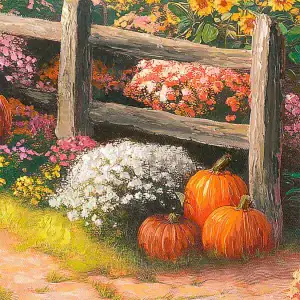
For example, a Thomas Kinkade landscape does more than depict a charming cottage or peaceful church. It invites you into a narrative filled with light, warmth, faith, family, or cherished memories. Likewise, Robert Finale’s European cityscapes transport you to romantic cafés and coastal villages, encouraging you to imagine yourself within each scene.
Original Art Vs. Art Prints: Understanding Your Options
Another common question involves original art vs. art prints. Original artwork is the one-of-a-kind piece created directly by the artist. Prints, on the other hand, are reproductions made from the original work.
However, not all prints are created equally.
Many fine art prints are officially licensed and produced using high-quality archival inks, premium canvases or papers, and strict color standards that faithfully preserve the artist’s vision. Some are also released as Limited Editions, making them especially appealing to collectors.
Understanding the difference allows you to choose artwork that fits your goals, your space, and your budget while still enjoying exceptional craftsmanship.
Why Collectible Fine Art Continues To Hold Its Value
We are often drawn to collectible fine art because it offers something beyond decoration. It reflects our personal taste, preserves artistic heritage, and creates lasting emotional connections.
Rather than following short-lived trends, we seek artwork that continues to inspire us year after year.
Reasons Collectors Choose Fine Art
- Timeless Artistic Craftsmanship
- Emotional Storytelling & Meaningful Themes
- Publisher-Authenticated Editions
- High-Quality Archival Production
- Artwork That Can Be Enjoyed For Generations
For many homeowners, these qualities make fine art a worthwhile long-term investment in both beauty and enjoyment.
Fine Art Prints Make Collecting More Accessible
Building a meaningful collection doesn’t always require purchasing an original masterpiece. High-quality fine art prints allow you to enjoy celebrated artists while selecting sizes, editions, and framing options that suit your home. This accessibility has helped introduce many first-time collectors to fine art.
Whether you prefer glowing landscapes, European architecture, seasonal scenes, Disney artwork, or inspirational paintings, professionally produced fine art prints offer exceptional quality while remaining approachable for collectors at every stage.
Understanding Fine Art Helps You Buy With Confidence
Learning a few basic art terminology for collectors helps remove much of the uncertainty from the buying process.
When visiting our gallery, don’t hesitate to ask an Art Consultant about:
- Edition Types
- Certificates Of Authenticity
- Framing Options
- Artist Inspiration
- Care & Preservation Recommendations
These conversations help you understand exactly what you’re purchasing while ensuring the artwork complements both your home and your personal style.
Choosing Artwork That Speaks To You
While understanding terminology is valuable, the most important factor is how the artwork makes you feel. The best collections are built around pieces that remind you of meaningful places, celebrate your faith, capture family traditions, or simply bring you joy each time you walk into the room.
Fine art becomes part of your daily life. It welcomes guests, creates conversation, and reflects your personality in ways few other decorative elements can. That’s why experienced collectors often encourage first-time buyers to trust both their knowledge and their emotional connection to a piece.
Discover Collectible Fine Art In Murfreesboro
Whether you’re just beginning to explore understanding fine art or you’re expanding an established collection, Thomas Kinkade of Murfreesboro is here to help.
Visit our gallery to discover beautiful collectible fine art, explore officially published fine art prints, and receive personalized guidance from knowledgeable Art Consultants. We’ll help you understand editions, framing options, and artist collections so you can confidently choose artwork that reflects your style and brings lasting beauty to your home.